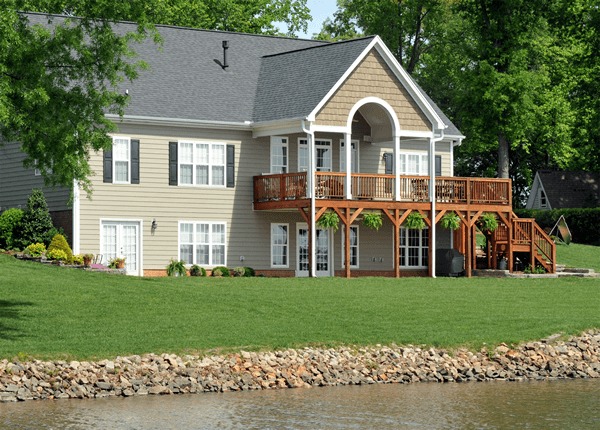
It’s rare you’ll get a straight answer over the phone or on a website to the question “How Much Do New Windows Awesome guyCost”—even when you call us (to be honest). One reason you’ll have trouble getting a response on the phone or internet is because some window companies want to meet you in person and use all sorts of high pressure sales tactics to pressure you into signing on the dotted line. The second more legitimate reason is because the cost of new windows really does depend on the situation. There are a number of factors that can drastically change the cost of having house windows installed. As a company who gets this question a lot, I want to share some valuable insights, AND give you some actual window pricing for a rough idea of what new windows might cost you.

Factors Influencing the Cost of New

Windows

  • Brand of windows
  • Window frame material (Vinyl, Wood, Aluminum, Fiberglass, etc.)
  • Size of windows
  • Style of windows
  • Type of components (grilles, grids, hardware, etc.)
  • Glass package (type and quantity of glass panes, coatings, and gas)
  • Insert/replacement style vs. Tear-out/new-construction style
  • House framing type (Wood, Brick, Metal, etc.)
  • Need for new trim or rot replacement
  • Location of windows (access issues)
  • Quantity of windows (larger quantities are often discounted)

Cost of Windows Adjusted With Variables

Installed By a Handy-man / General Contractor

You should know that installing windows properly takes some experience. It’s well documented that the vast majority of window failures that happen in the first few years are a result of bad installation not a manufacturer defect.  Be careful when selecting a window installer not to choose someone who has insufficient experience or a short track record. Also know that a window warranty is virtually worthless without a labor warranty along side it. Most small contractors do not provide a written labor warranty.

VinylComposite/FiberglassWood Clad
Cheapest$375-$425Can’t Get / Rarely OffersCheapest$525-$600
Standard$425-$475 Standard $650-$725
Specialty$575-$625 Specialty $860-$1000

Installed by A Local Window Specialist

This type of company is a better option than the alternatives. Although you still have to be careful whom you hire, a window specialist (meaning a company that specializes in installing windows and other things) will have more experience than a generalist, but will be a better value than a large brand franchise or big box store.

VinylComposite/FiberglassWood Clad
Cheapest $425-$475 Cheapest $600-$675 Cheapest $700-$800
 Standard$500-$625 Standard$675-$800 Standard $775-$950
 Specialty$600-$750 Specialty $800-1050 Specialty $925-$1200

Installed by A Big Brand Affiliate or Big Box Store

The most widely used window installation service is that of big brand franchises and big box stores with a national presence. Be sure to do your homework about the quality of installation, warranty track record, and expansive cost of overhead to run to these operations. Make sure you’re not paying for expensive advertising, and sales commisions which often add up to more than the cost of the actual windows and installation.

VinylComposite/FiberglassWood Clad
Cheapest $535-$595 Cheapest $775-$925 Cheapest $975-$1125
 Standard$575-$725 Standard $975-$1225 Standard $1175-$1425
 Specialty$675-$925 Specialty $1275-$1625 Specialty $1475-$1825

Although in many cases it’s true that “you get what you pay for”, in the case of replacement windows you also want to be aware of what exactly you are paying for and what exactly you can expect for long-term value.  There are many people in the industry who have good intentions but are just not in the right system to give you a good value.  There are others who thrive on taking advantage of unsuspecting homeowners. Be cautious and go with your instinct.

There are many homeowners who would like to invest in siding installation in order to improve the appearance of their homes. They want their homes to look good on the outside and they want to use siding for houses that are environmentally friendly. It is important for them to select an option that is durable and suitable for the climate. Making the right choice can decrease future maintenance costs and can keep a homeowner from needing to add under-performing materials to landfills. There are several environmentally friendly choices available on the market. Some items have been made with recycled materials so less virgin materials were used to create them. Many of the options are very reasonably priced and easy to find.

Once a siding type is chosen, it should be installed by an experienced company. United Home Experts is a company that has experience installing, repairing, and maintaining many siding materials. Proper installation and maintenance can ensure that siding lasts as long as possible.

Insulated vinyl siding includes a layer of foam insulation. The foam layer causes it to be easier to work with than regular vinyl siding. It does not need much maintenance and can last up to 50 years. It can be recycled and costs between three and eight dollars per square foot to be installed. It is more expensive than regular vinyl.vinyl-blogphoto09-resized-600

Another type of eco-friendly siding is Everlast Composite Siding. It is a wonderful alternative option for those who like the look of wood. It is a very durable product that is made of stone and polymeric resin. This type of siding has a Lifetime Performance Warranty. It is easy to clean since the original luster returns after being hosed down with a garden hose. Stains can be removed with regular household cleaners. Therefore maintenance is very simple and inexpensive. There are a variety of colors available.  stacked everlast

Fiber cement siding is made up of a small percentage of wood fiber, cement and silica sand. It is fire-resistant and will not emit any dust or volatile compounds into the air after it is installed. It is extremely durable and can last for more than fifty years. It requires almost no maintenance and is termite-proof. It is a well-known product that has been around for almost a hundred years.  It is possible to find and install fiber cement that is made out of recycled materials which is great for the environment. It is a sustainable and green siding option. This option is normally more expensive than vinyl siding.

The best type of green siding for one homeowner may not be the best choice for another homeowner. United Home Experts can help homeowners choose siding that will work best for their homes. The company answers questions and addresses concerns regarding green siding options that are available today. Climate, durability, cost and maintenance requirements have to be considered when selecting a siding material. Creativity may need to be used in order to source products that can be re-purposed and used as siding.

Blog-Photo18-resized-600

There are many different types of siding to consider for home exteriors. There are certain types of siding that arefibercement-blogphoto33-resized-600 more suitable to certain locations and weather conditions than others. Some may offer variety, customization, and colors. Others will offer strength and durability. All are good choices, and it is hard to go wrong when making a selection for the home. However, it ultimately comes down to homeowner preference.

Fiber cement board siding is a type of ready-made siding that is created from a mixture of materials. These fiber cement panels are usually made up of sand and cellulose (wood pulp) fibers. New Englanders will appreciate that this type of siding because it is very durable against the sea salt air near the coastline. It has the ability to withstand harsh weather conditions such as wind, rain, hail, and hurricane level storms for years on end. Not only will the siding protect against the elements, but it will stand up against cold climates as well. This material is also not flammable, like wood siding would be. It is made up of more than 90% inflammable materials. The siding is ultraviolet resistant and offers more insulation to a home than other siding choices would.

Another one of the benefits of fiber cement siding is its versatility. It can replicate the looks of several other siding options, such as wood planks or wood shingles. For homeowners that crave the traditional look of wood siding, fiber cement siding is a good option that also provides some additional advantages to outdated wood siding. The siding can also be painted in a variety of colors. Fiber cement panels require very little maintenance, making them a very economical choice. The paint job on most panels will last around 10-15 years before a repainting is needed. This is because the panels are painted using a pigment technology that allows the pigment to resist fading and wearing. This keeps the maintenance cost for repainting homes low, and it can also bring the resale value of a house up. Fiber cement is also completely protected from insects and rotting. The planks have no seams that overlap each other, and that eliminates the chance of mold and mildew even appearing.fibercementweatherboards-resized-600

Homeowners who are searching for the right siding will find that the United Home Experts are the ideal people to contact. As leaders in the industry, our members have many years of experience and knowledge to assist their customers. The experts at United Home Experts understand that each homeowner has their own individual needs, and will offer warranties on all contracted work. When homeowners call for a quote or consultation, they will be provided with all the necessary information pertaining to their inquiry, as well as specific numbers for specific circumstances, much more than a rough estimate.

These estimates are provided at absolutely no charge, and our experts will work alongside the homeowner to choose the right siding and color options that suits their home. This company understands the importance of a homeowner’s investment and will work to not only suggest the best choices for the value of the home, but the family as well.

When one hears the name fiber cement siding, the word “rot” is not one that instantly springs to mind.  One does not generally associate cement with rotting.  So why does fiber cement siding rot?

The truth is that rotting fiber cement is a misnomer, as the cement siding itself does not rot. What can happen, however, is that if siding is not properly installed by experts, water can seep behind the siding and deteriorate its integrity.fibercementweatherboards-resized-600

There are two ways to avoid this scenario.  First, a moisture-resistant layer needs to be applied to the wood before the siding is hung.  Secondly, and most importantly, siding should be applied by professionals, such as those at United Home Experts, who understand the harsh weather conditions here in the Northeast and take appropriate measures to insure against siding failure.

Another advantage to having experts side a home is the guarantee that comes with the job.  With the long-term guarantee that United Home Experts provides, a homeowner can sleep like a baby for many, many years, knowing that at least their siding is 100% guaranteed no matter what Mother Nature might do to their home.

If a homeowner chooses nonetheless to install fiber cement siding without the use of experts, two people should always be present during the installation due to the weight of the cement siding.  Thin siding material can be cut by scoring the siding with a sharp carpet knife or similar instrument and then snapping the siding along the score.  Heavier siding may require special saw blades designed to cut through the concrete and cellulose fibers of the boards.fibercement-blogphoto33-resized-600

Fiber cement siding is one of the best, most durable sidings available, especially for the unpredictable weather conditions in the Northeast.  Sun, wind, rain, snow, hail…fiber cement siding offers superior protection against all forms of weather, especially when properly installed. Another advantage to fiber cement siding is that it is either fire-resistant or completely fireproof, depending on its grade.

Homeowners have many choices when it comes to the right siding for their home.  The decision they make should be based on a number of factors, including location, aesthetics, cost, ease of application and how long the customer expects to remain in the home.  There may be other considerations as well.  But when everything is said and done, all homeowners want the same basic result  –  a home that looks its best and is well-protected, at a price that the homeowner can live with.

The Definition of Siding:

Siding is any material that clads, covers, or protects the exterior walls of a home or residential style building excluding brick, stucco, or masonry.

What is Siding Made From?

Siding is made of many different materials including wood, steel, aluminum, vinyl, cement, asphalt, and even composite materials which combine one or more material together to make something new.  Some of these types of siding are still used today while others are not.

What is the Purpose of House Siding?

The primary purpose of house siding is to protect the home and contents within. It protects the house from rain, snow, wind, and other precipitation. In cold climates properly installed siding over a well built wall can protect the interior of the home from the cold outside, and will keep in heat. In warmer climates, the opposite is true.

Another purpose of siding is to beautify a home. Since it takes up the majority of the surface area outside a home, attractive siding is important to the value and appeal of any residence.

What Styles Are Available?

Siding usually comes in these shapes and styles:clapboard or lap style, shingles or shakes, vertical, or panel.  These styles vary depending on the region and manufacturer.

Clapboard / Lap SidingShingles / ShakesVertical
clapboard siding shingle siding vertical siding
We designed this siding color comparison chart to give a rough idea of the differences in siding colors from brand to brand. If you’re a homeowner considering new siding for your home, we hope you find this tool useful.  Keep in mind these colors can change from time to time so check with each manufacturer for the most current list of siding colors to choose from.
*Disclaimer: Siding colors seen here will vary from actual siding colors. Factors affecting color accuracy include screen resolution and settings, graphics card type and settings, room lighting, browser settings and color renderings, as well as other factors.*

The Siding Color Chart in HTML Verison

Below you’ll find an html version of the same siding color chart. This version is less interactive but may load better in certain browerss and on some devices.  Choosing a siding color is an important task! Many of the latest products offer a low maintenance, long term lifespan which means the color you choose now may be on your home for decades. Other products offer the option to paint in the future so you can change your siding color if you desire.

Fiber CementVinyl SidingPremium Composite / Synthetic
Certainteed Weather- boardsFC Fiber CementCertainteedMastic (Alcoa)NorandexEverlastApex
Cream Off-WhiteButterSailclothHeritage CreamClassic CreamLinenSand DuneN/A
Blue Gray-BlueCoastal BlueBoothbay BlueOxford BlueEverestWedgewoodHarbor BlueMount Etna
Red BrownishAutumn RedTraditional RedBarn RedSandtoneHazelCabernet RedWineberry
Earth- tonesDesert GoldTuscan GoldSandpiperAutumn GoldSaddleCanvasClassical Gold
Light GraysPewterLight MistArtic BlendSilver GraySmokeSeaside GrayEarl Gray
Dark GraysHeatherIron GrayFlagstoneDeep GraniteGraniteN/AN/A
Soft YellowsWickerWoodland CreamAutumn YellowColonial YellowCreamAntique IvoryN/A


FiberCement-BlogPhoto39-resized-600

Homeowners here in the harsh climate of the Northeast have many choices when it come to siding material for their homes.  One of the best choices a homeowner can make for siding a home in this climate is fiber cement, for a variety of reasons.

One of the many reasons homeowners choose fiber cement for their siding needs is that fiber cement is so sturdy.  Fiber cement siding can stand up to almost anything that Mother Nature can throw at it.  Unfortunately, bad luck does sometimes strike   –  an earthquake hits, or the house has a run-in with a car  –  and the integrity of the siding can be compromised.

When this happens, the homeowner is left wondering how to fix damaged fiber cement.  There are in fact several ways to repair the siding.  The easiest way is to have it repaired by experts, such as those at United Home Experts.  If the siding was originally installed by United Home Experts, then it should still be under warranty and will be repaired promptly and efficiently at no charge.

However, if the siding was originally homeowner-installed, or was installed by another company without a long-term guarantee, then repairs may fall to the homeowner. Here we will give you the low-cost solution to repair the damages, but we caution you because the integrity of the siding is now compromised. The siding has been cracked and there is now a potential for moisture to build up and cost serious issues within the siding.

We highly suggest contacting us to provide an estimate or if you have a warranty with us, give us a call. You can contact the office of United Home Experts at 508-881-8555.

Now – the cheap, temporary solution to fixing the siding:

While it is sometimes necessary to remove an entire fiber cement plank from a wall, for the purposes of this article we will assume that the homeowner wants to patch a relatively small area and not remove and replace entire boards.

Start by purchasing fiber cement patch material  –  do not use wood putty or any other product made to repair wood.  The siding may look like wood (it may have a wood-grain effect) but it is primarily cement and requires a cement patch.

First, clean the area thoroughly with a damp cloth, and remove any hanging particles; the area to be patched must be clean and solid around the edges. Using a stiff brush, mix the patch material specifically intended for fiber cement following the manufacturer’s directions carefully; use only as much water as the manufacturer recommends.

Use a plastic putty knife to apply the patching material to the damaged area, filling in the area and shaping the patch to match the original contours of the siding.  Allow the patch to thoroughly dry and apply another thin layer of patching material if the first layer shrank during the drying process.  Allow the final layer to dry and then lightly sand in order to blend all edges.  Use sandpaper or a small, sharp tool to match any design that exists in the original planking.  Carefully clean the entire area with a tack cloth to remove all vestiges of the sanding process.

Paint as much of the wall as necessary so that the patched area blends into the entire wall.  In some cases this will require painting the whole wall.  This is especially true if the wall has not been painted for some time and the existing paint has faded in the sun.  If done properly, the patch should last for years, but there are no guarantees to the structural integrity of the siding. Again, we caution you to give us a call so that we can properly give you a diagnosis on the damage.

Homeowners today have all kinds of options when it comes to installing siding on their homes. Many companies fibercement-blogphoto33-resized-600in the siding industry have made efforts to employ innovative new technologies to produce new siding products that both look good and keep out the elements; this has enabled customers to choose from many alternatives to traditional vinyl siding. More and more companies are now in the business of creating and installing fiber cement siding. This material falls into a category called cladded siding. Cladding is vinyl-based siding material mixed with other materials  –  in this case, cement and often wood-based materials as well.

While vinyl siding has long been the most popular type of siding on the market because of its affordable price and clean look, fiber cement cladding is now rapidly gaining ground among homeowners. One of the major strengths of fiber cement cladding is its structural integrity. Because it is partly made up of cement, a solid and structurally sound material, this type of siding does a great job of protecting houses from the elements. This and other benefits are leading more and more homeowners to choose fiber cement cladding for their homes. However, even fiber cement cladding has its downfalls: homeowners can end up needing to deal with rotting fiber cement due to improper installation. This is why it is extremely important for homeowners to do their research and go with a trusted and experienced contractor for the job as well as a brand of siding with a solid reputation.

Because of its unique makeup, fiber cement cladding is typically resistant to common threats such as harsh FiberCement-BlogPhoto21-resized-600weather, insects and rot. Trouble arises when the siding is not installed correctly, leaving cracks or openings vulnerable to damage from moisture. A common mistake that inexperienced contractors make is neglecting to install water barriers between the plywood and siding. When this happens, moisture enters and gets between the siding and plywood, which can then cause the plywood to rot and mold. Another important process when installing fiber cement cladding is to generously apply caulk or felt paper strips to all joints on the home. This process will further prevent moisture and leakage from occurring and will protect the fiber cement. When rotting does occur, the damage can be disastrous in the long run and can end up costing homeowners dearly down the line.
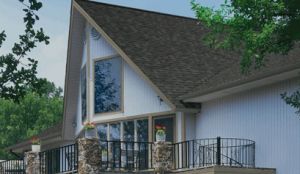
For these reasons, it is crucial that homeowners choose contractors and equipment carefully. First, homeowners should do their own research on siding installation and apply that knowledge to their own home. Second, they should compare the strengths and weaknesses of competing fiber cement siding companies and take all factors into account such as total cost and time required for the job. It is recommended that homeowners request references from potential contractors to talk to real satisfied past customers. After all of this information is gathered and weighed, they will be better prepared to make an informed decision and avoid the pitfalls of a faulty fiber cement cladding installation job.

United Home Experts has been serving homeowners across Massachusetts and neighboring states for years. The company offers all kinds of construction and home improvement services, including siding replacement. When homeowners need a trusted and professional siding replacement job, they know they can count on the experts at United Home Experts.

Vinyl siding can be used to improve the appearance of the outside of a home. This can increase a property’s value ChamferBoard_smallproductglamour-resized-600and can make it a better place for the residents to live. A lot of people understand the importance of making sure their properties look good on the inside. They also need to put effort into making sure the outside of their houses look great. Vinyl siding is an option which can help the outside of a home look new.
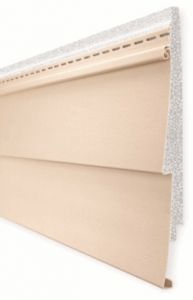
It is available in many colors and textures. There are colors to complement the styles of older homes and there are textures that closely resemble wood. Vertical vinyl siding can be a better choice than horizontal vinyl siding for homeowners. Vertical siding is a lot easier to clean. It can be sprayed with a water hose or pressure washer. A mild detergent can be used if needed. Cleaning should be done once a year or more.  Vertical siding also has a lower risk of becoming water-damaged.

Types of vertical siding materials include steel, aluminum, vinyl, pressed composites and plywood. Aluminum does not weigh a lot, which makes it easy to install. This can lower the cost of installation. It does not ever rust and can be painted over if desired. It is an eco-friendly option since it is made from a high percentage of recycled materials. When discarded it is fully recyclable. The disadvantages of this type includes fading due to sun exposure and the fact that it can dent easily. Steel is a lot heavier than aluminum and therefore can be harder to install. However, it is more durable than aluminum. It will not fade but it will rust. There are coatings that can help it resist rust.vinyl-blogphoto09-resized-600

Pressed composite siding is made of fiber-cement and other additives. It is resistant to cracks and is fire resistant. It is more costly than some of the other types.

Vinyl vertical siding can last for a long time in normal weather conditions. It does not to be repainted and only needs cleaning once a year on average. It can be a lot less expensive than the other types. Price does vary depending on the quality of the vinyl chosen. It can crack under extreme conditions so panels may need to be replaced if cracks occur.

Vinyl siding can last twice as long as wood siding. There are many colors and patterns to choose from. It is affordable and will not suffer from termite damage. Some vinyl siding has insulation attached, which can increase energy efficiency. This can save an owner of a house or building money when paying their bills each month. It is also low maintenance, which allows homeowners to spend their time doing other things they enjoy instead of spending all their time working on their homes. Panel replacements may be required if they are damaged due to extreme weather or other rare occurrences.