
WHAT EXACTLY IS ROOF FLASHING?
Flashing is a continuous series of thin pieces of sheet metal or other waterproof material that is installed to keep water from getting into a building from a vulnerable angle or joint.
HOW ROOF-FLASHING WORKS AND WHAT IT DOES
- It typically operates under the principle that, in order for water to get through a joint, it must fight against gravity and work its way up.
- In the case of hard rain that is being driven by the wind, the driving force of the heavy rain would have to be diminished.
- Roof flashing can be installed in one of two ways. It can either be concealed or exposed on the outside of a building’s roof.
EXPOSED ROOF FLASHINGFlashing that is exposed is usually made of sheet metal. This is how flashing got its name: the metal material catches the sunlight and reflects it, creating an eye-popping, flashing effect. The sheet metals are generally made from the following metals;
| CONCEALED ROOF FLASHINGConcealed flashing is usually made of either sheet metal or a waterproofing membrane. The waterproofing membranes are generally made from materials such as fabric made from bituminous coal or sheet material made from plastic. Which type of membrane is used really depends on the climate and on the building’s structural requirements. Aluminum and lead are not recommended for use as concealed flashing materials because they experience adverse chemical reactions when coming in contact with cement mortar. |
Copper is one of the best metal materials to use for exterior flashing because it is durable and malleable. Using copper in any roofing project will ensure that no weak points exist in the roofing structure. As opposed to some other flashing materials, copper will not destruct if exposed for long periods to sunlight.

THE 2 MAIN TYPES OF ROOF-FLASHING
Flashing that is placed around objects that stick out from a building’s roof, like chimneys or pipes, to keep water
from pooling at joints or seams by forcing it to run off.
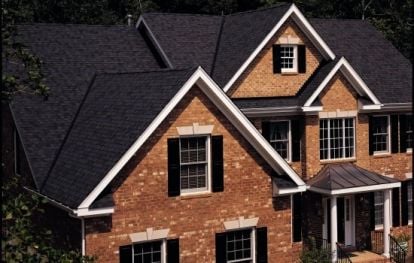
Roof penetration flashing is used around cables, pipes, and supports to waterproof these vulnerable areas by providing a protective barrier.

ROOF-FLASHING FOR THE HOMEOWNER
1. Brands and Services
There are many types and brands of flashing available on the market, but homeowners may have trouble deciding between all the different brands and styles.
2. DIY Flashing
Flashing is a difficult project that is essential to execute with great precision, so it is a good idea for homeowners to seek professional help rather than try to do it themselves.
3. Technicalities
The flashing has to be carefully constructed and strategically placed so that water is definitely deflected away from the roof’s trouble spots and not into the underlying structure of the roof (and the home).
4. Improper Execution
Flashing installation done by nonprofessionals can lead to all sorts of trouble for the homeowner and the home, including mold, water seepage, leaks and structural damage.
The trustworthy professionals at United Home Experts are specially trained in all aspects of roofing, so they know all the best types of flashing and are able to install it correctly, ensuring a quality roof maintenance or construction job for any home. Homeowners can contact them for a free estimate and expert advice before undertaking any roof project. For more information about roofs, visit our main roofing page!


 exposed to extreme temperature changes and/or severe, harsh weather. Small cracks in the wood usually aren’t problematic, although if left untreated they could become much more of a problem.
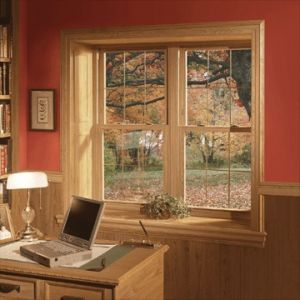 window replacement is in order. They will also be able to help homeowners decide on which type of replacement window is best for the needs of their homes. There are three main types of replacement windows: full-frame units, insert replacements and sash kits. Sash replacement kits are very popular these days because they provide an old window frame with all new, fully movable parts. But the other replacement window types also have their advantages.
 top-of-the-line. Contractors prefer it, even though it is a bit pricey with prices ranging from $60 per gallon and lower, the quality of its one-coat coverage and excellent formulation is unmatchable. The cost per gallon is definitely offset by the savings in labor and quantity of paint required for the job. I’ll have you agree with me on a couple details:
 of professional painting contractors if it were not for the price difference.
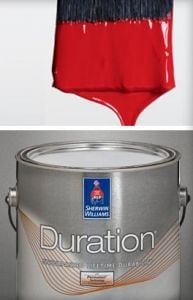 significant dent in the budget. The results must not only be visually appealing, but that visual appeal must last a long time so the process does not have to be repeated in a few years. Choosing the right type of paint for the job may be the most important consideration of all in terms of durability.
 rollers and paint brushes. Use high grade paint as well. Using high grade supplies and tools will result in a faster and better job. Remember, a workman is only as good as his tools. A homeowner cannot expect to get superior results using inferior tools or supplies.
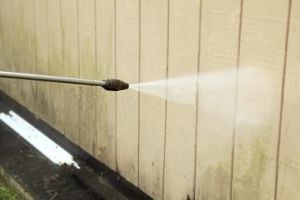 the house of all dirt, oil, grease, grime and mildew. This should include a detergent and hand scrubbing (using a nylon brush) of any stubborn areas. Plants should be protected from detergents and soaps by plastic drop-cloths.
 decide that painting a home is beyond their skill level, or for homeowners who simply wish to have a professional do the job, the qualified staff at United Home Experts have years of experience. They can paint a home quickly and they clean up after themselves completely, do everything quickly and also provide a written guarantee.
 to further damage to the home’s wood structure, and even internal damage to the home itself. Faulty paint can ultimately lead to a number of more serious issues for homeowners. Anyone who is unsure of whether the outside of their house needs to be repainted or not should consult with the professionals at United Home Experts.